
Your First RV Trip with Your Dogs : What We Learned (and What We’d Do Differently)
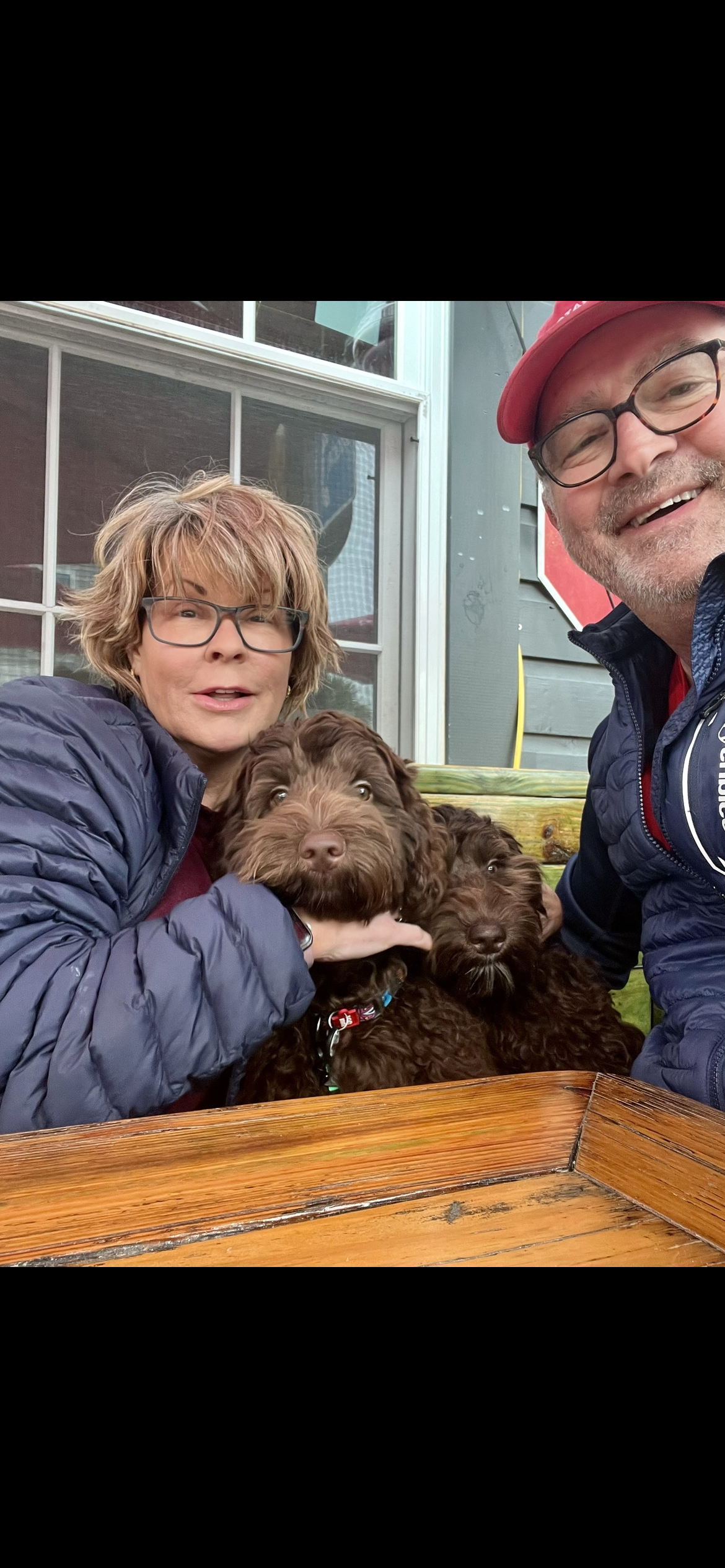
At a very young age, Simon and Prudence started accompanying us on trips, before we even owned a motor home. I think the best preparation starts there, with just taking your dog(s) along for the ride. Start small and work your way up slowly. Pay attention to your pups reaction to new places and new people. If they seem timid or stressed, back off until they are more at ease. One of the worst things you can do is to push your dog into uncomfortable situations and wait for him or her to get accustomed to it. Do it slowly and with as much comfort and reassurance as possible. Positive experiences result in positive attitudes.
When we hit the road with our dogs, they don’t care where you’re going. They just know they are with you - and that’s enough. It’s less about the destination and more about the shared experience; morning walks and exploring in new places, quiet afternoons under the awning, and most of all the comforting rhythm of togetherness.
Traveling with dogs slows you down in the best possible way.
You notice more.
You stop more.
You build your days around simple pleasures-walks, fresh air, rest.
But let’s be honest - traveling with dogs takes a little planning.
Here’s some tips to guide you to success and make your camping trips genuinely enjoyable - for both you and them.
Preparing for the Trip
A little preparation goes a long way toward a smooth travel day.
Vet & Health Essentials:
Make sure vaccinations are up to date
Bring copies of vet and vaccination records (digital & paper)
Pack medications and supplements
Pack a Doggie First Aid Kit
Keep Heartworm and Flea & Tick prevention current
Pack a “Dog Go Bag”
Think of this like their personal overnight bag. I keep a backpack filled with essentials by the door so I can easily grab it when we take the pups with us anywhere - whether it be for the afternoon or for a week-long trip. It holds their most basic needs and makes jumping in the car and going anywhere a breeze.
Food & Treats
Collapsible water bowls & a bottle of fresh water
A leash for each dog and a backup leash, just in case
Blankets or mats to put on the ground when we are parking it somewhere (we call these “places”)
Favorite toy and/or bone or chew
Waste bags
Treat pouches
Doggie wipes
Hand sanitizer (for dog parents)
Having the pup’s basic needs packed and organized makes a big difference in how you feel about having them along, which helps you to have a sense of calm about your journey and thereby transmitting the message to your furry friend that all is well and the journey you are embarking on is about adventure and good times. Anyone who has had a dog who fears car rides or going to the vet can relate to a trip with a less-than-content pup. The more the journey is about togetherness and good times, the more your dog(s) will look forward to going on trips with you.
Travel Day Tips (The Game-Changer Section)
Before You Leave
Take a long walk to burn energy
Offer water but don’t overfeed right before departure
Have a specific place for them in the camper every time your travel
Get them loaded up after all of the chaos of loading everything else
Give them a chance to settle in, make it a happy time that you are going on an adventure together
On the Road
Plan stops every 2-3 hours
Keep fresh water available
Never, ever leave dogs in the RV without climate control
Arrive With a Plan for Them, Not Just You
Arriving at your campsite is when the real action takes place. It can sometimes be stressful depending on your time of arrival, your own travel fatigue and the circumstances of the campground and your campsite. As soon as you arrive and before all of the madness of settling in:
Remove them from their travel restraint or crate
Let them get a drink of water
Take them on a walk around the campsite, or campground
Give them time to sniff and explore their new surroundings
Help them “map” their new space
These simple steps and taking the time to allow your dog(s) to get familiar with their temporary home is so helpful in reducing anxiety.
Finding Dog-Friendly Campgrounds
Not all campgrounds are created equal when it comes to dogs. Some are not dog-friendly at all and some of the dog-friendly campgrounds are more friendly than others. Do your research before deciding on where you will settle. It sure puts a damper on a camping trip if you feel like you are constantly trying to mediate between your furry family member and the campground hosts. Another consideration when choosing a campground is to choose a place where there are fun things for you and your pup to enjoy together. Look for:
Pet-friendly policies (double-check breed/size rules)
The campground rules regarding temporary dog fences
Walking trails or open spaces - maybe a dog park
Shade (very important for warmer climates)
Distance between sites (more space = less stress for everybody)
Some helpful apps to try when planning:
Campground Etiquette with Dogs
Being a thoughtful and considerate dog owner makes travel better for everyone.
ALWAYS PICK UP AFTER YOUR DOG
Keep barking under control (Read my post about “Dog Whispering”)
Respect leash rules
Be mindful of neighbors (not everyone is a dog person)
A calm, well-managed dog is a welcome traveler and neighbor. When us dog owners are conscientious with our dogs impact and behavior, we are not only helping ourselves to be welcomed by the camping community but the dog community as a whole.
Simple Daily Rhythm on the Road
Dogs love a good routine - even when you’re on the move. Certain aspects of their daily life are routine and as much as you can keep meal times and a similar basic structure to their day the same, the more grounded they will feel. Keeping a rhythm helps your dog feel more calm and comforted, even in new places.
We are a little more active with the dogs when we are on camping trips. Just like us, they get a lot more attention and adventure than they do when we are at home. On the road, we have more time to be together and explore rather than work and spending time on household tasks. Our camp day “structure” looks something like this:
Morning: Walk followed by breakfast
Mid-morning: Rest and relaxation at the campsite
Lunchtime: Exploration or outing - often a good hike
Afternoon: More rest and relaxation
Evening: Stroll around the campground, enjoying the sun setting on the horizon
Home is Where You Park It
The most important thing about traveling with your dog(s) is that they are with you. The closeness and attention they desire is all they care about. They don’t care about your campsite or if dinner goes as planned. They don’t need a perfect trip, they just want to be with you on this adventure - enjoying time together in the moment. I think we can learn something here and if we could more like our dogs, our experiences would shift a little….
Simple. Present. Enough
Food for thought.
Wishing you and your precious furbabies the best adventures.
