How to Plan the Perfect Camping Trip (and Actually Get the Campsite You Want)
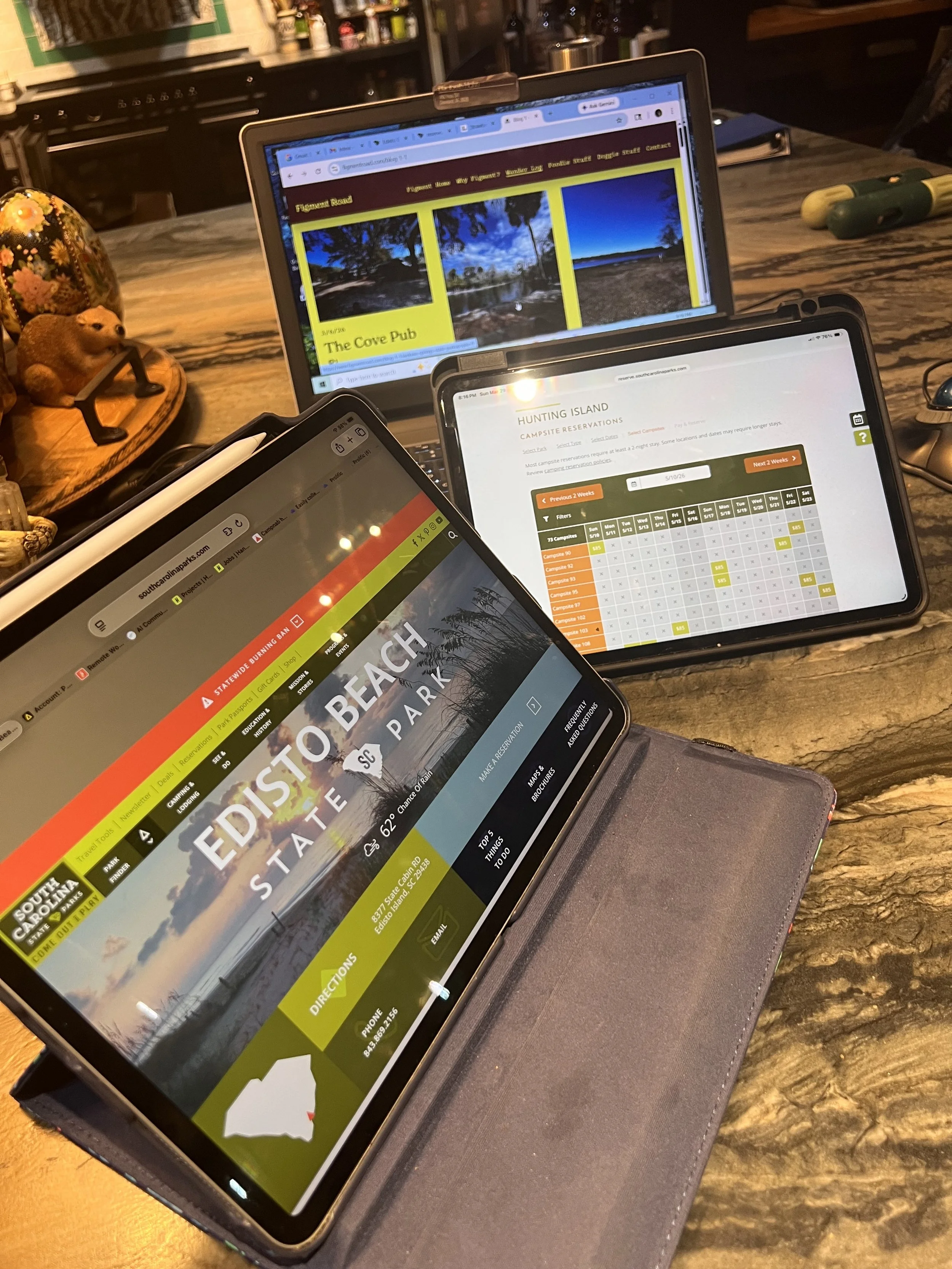
So when we first purchased our RV and started planning our very first camping trip, I did what most of us do—I downloaded all the apps. In the months prior to our RV purchase, I had been watching my favorite YouTube RV channels and took notes like a good student. Soon I was clicking around in:
The Dyrt, and
plus the state park websites for Georgia and South Carolina.
And I would be lying if I said I got much else done for the next couple of weeks. I’m pretty sure I looked at every single campsite on all of the above-mentioned —bookmarking and adding little hearts ❤️ to more places than we could visit in the next four or five years. 😂
Then the “planner” in me kicked in… and that was all she wrote.
We had already planned a trip for a week at Hilton Head, so I built from there—and somehow, by sheer luck, I scored 3 nights at
and then, like magic, found another 3 nights at
Those six nights? That’s all it took for us fall in love with RV travel.
What I didn’t realize at the time was just how difficult it is to book a campsite at such popular campgrounds. It’s only after you’ve experienced one of those magical places—and try to go back—that you realize what a graceful blessing that first trip truly was.
If you’ve ever tried to book a campsite at a popular park, you already know. And if you’re new to this… you might want to lean in here.
That’s where my education in campground reservations began—and I’ve been a bit of a “click junkie” ever since, checking availability like it’s a competitive sport every time I walk past a screen. And, to be completely transparent, I have been checking and clicking since December to get a site for a little over two weeks at Hunting Island. When Richard mentioned cancelling our trip due to “adulting responsibilities,” I just said “NO.” I’ve worked too long and hard for every day at that campground, and those responsibilities will be right where we left them and be done in plenty of time regardless.
So, here’s how I plan a camping trip from start to finish—and actually reserve a campsite we love.
⸻
✨ Step 1: Choose Your Camping Style
Before you book anything, get clear on the kind of experience you want.
Ask yourself:
• Do you want full hookups (water, electric, sewer)?
• Or are you craving something more rustic and off-grid?
• Beach, forest, mountains, or lakeside?
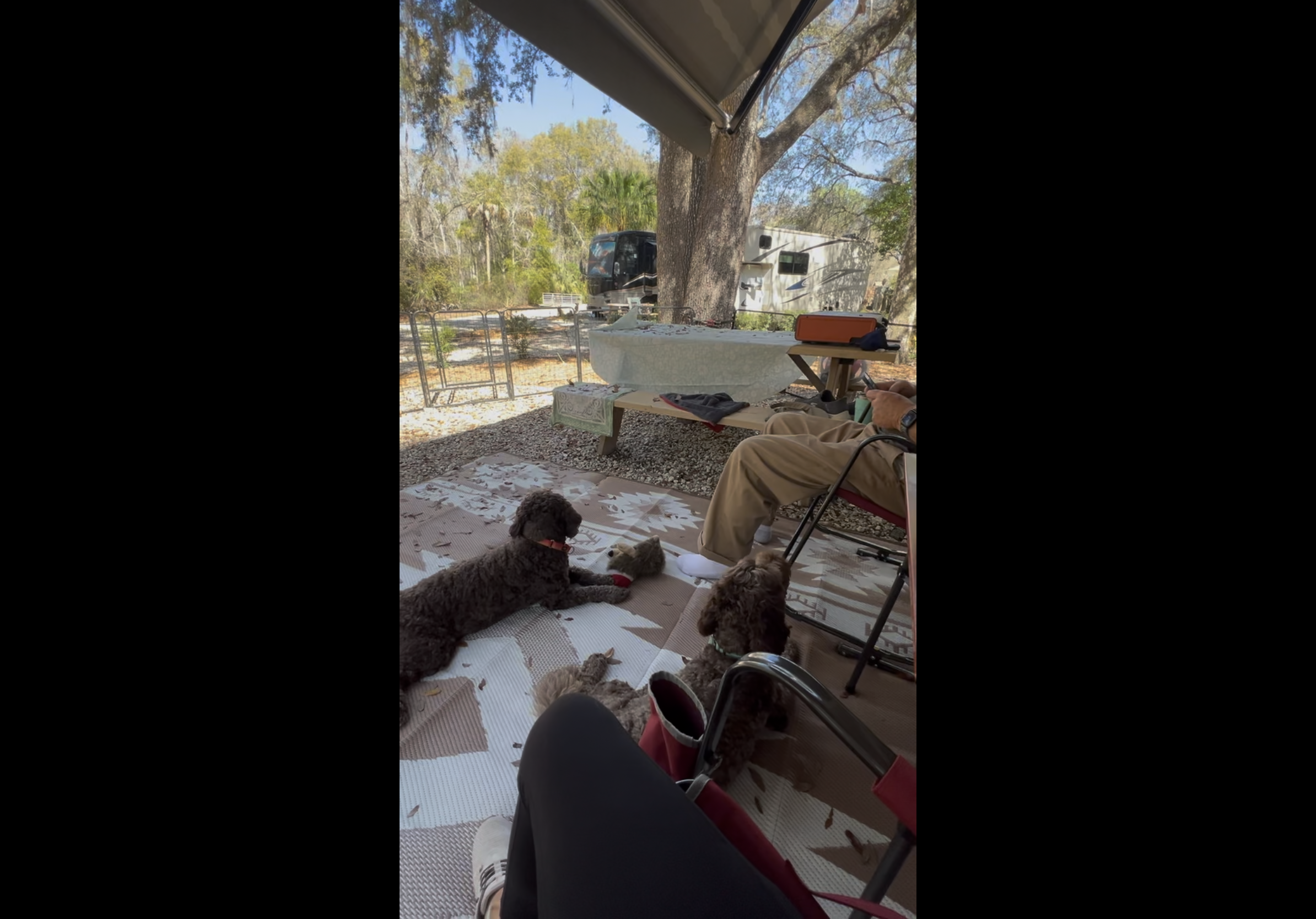
If you’re anything like us—traveling with a cozy camper and a couple of dogs—you’ll probably lean toward:
• Full or partial hookups
• Pet-friendly parks
• Spacious, scenic sites
⸻
📍 Step 2: Pick a Destination (and a Backup)
Popular parks fill up fast—especially places like:
Instead of choosing just one destination, plan for:
• Your dream park
• A backup option
• A hidden gem alternative
👉 Lesser-known parks are often just as beautiful—with way less stress. Don’t overlook the smaller parks in the area you like to go camping - these are the hidden gems.
⸻
📅 Step 3: Understand Booking Windows
This is where things get real.
Most state parks open reservations:
• 3 to 6 months in advance
• At a specific time of day (often 8:00 AM)
For example:
• Georgia State Parks & Historic Sites
If you want a prime site, you’ll need to:
• Know your exact booking date
• Log in early
• Be ready to click fast
👉 Yes, it’s a little intense. But it works.
⸻
⏰ Step 4: Use the “Rolling Date” Trick
This is the trick seasoned campers swear by.
👉 Book the first available date, even if it’s earlier than your actual trip.
Then:
• Reserve multiple nights
• Adjust your dates later
This gives you an edge before the campground fills up.
⸻
🔔 Step 5: Set Up Cancellation Alerts
Campsites open up all the time—you just need to catch them.
Use tools like:
• Campnab
• The Dyrt
Set alerts for:
• Specific parks
• Specific dates
• Even specific site numbers
✨ This is one of the easiest ways to snag a “sold out” site, and is primarily the way that I have been finding sites at booked out campgrounds. I paid for a subscription to Campnab, and it has totally been worth the $10 I paid for the basic plan - and with this plan, I was able to book sites not only for us, but for our friends for two weeks in May.
⸻
🗺️ Step 6: Study the Campground Map
Not all campsites are created equal.
Before booking:
• Look for shade vs. full sun
• Check distance to bathhouses or trails
• Avoid sites near:
• Dump stations
• Playgrounds
• Main roads
Seasoned campers often have favorite site numbers they try to book again and again.
⸻
🧺 Step 7: Plan for a Cozy Arrival
The best trips start with an easy first night.
After a travel day:
• Keep dinner simple (pre-prepped meals are everything)
• Set up quickly
• Add a little ambiance (string lights, a candle)
• Open a bottle of wine 🍷
👉 This is where your travel day dinner becomes part of the ritual—not a chore.
⸻
🌿 Step 8: Leave Room for a Little Magic
Don’t over-plan your trip.
Leave space for:
• Wandering trails
• Sitting by the fire
• Thrifting in nearby towns
• Meeting other travelers
Some of the best moments happen when nothing is scheduled.
⸻
💡 Bonus: The Hidden Gem Strategy
If you’re struggling to book popular parks, try:
• County parks
• Army Corps of Engineers campgrounds
• Small private campgrounds
They often offer:
• Better availability
• Larger sites
• A quieter, more peaceful experience
⸻
🌙 Final Thoughts
Camping isn’t just about where you go—it’s about how you experience it. A little planning goes a long way, but the real goal is simple:
Create a space where life slows down and feels a little more intentional.
Whether you’re in an oceanfront site you booked six months ago—or a quiet wooded corner you stumbled into last minute….You’re doing it right.